
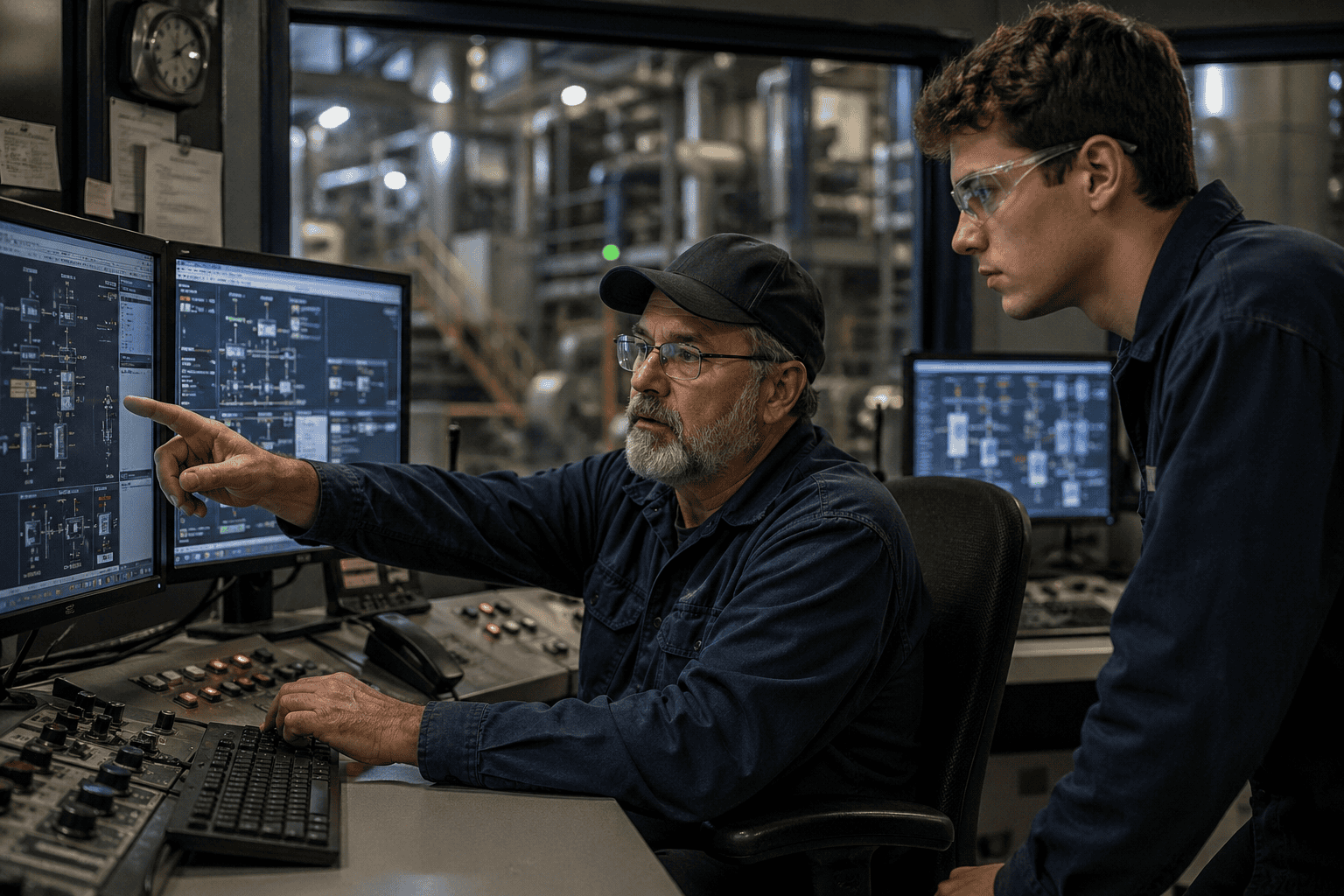
Most manufacturing companies do not struggle because they lack knowledge. They struggle because the people who need that knowledge cannot reliably find it, trust it, or use it when it matters most.
Knowledge management (KM) is the discipline of ensuring critical knowledge is captured, organized, and accessible to the people who need it. That includes how work is done, why it is done that way, and what has been learned along the way. It is not a software platform, a documentation project, or a one-time initiative. It is a set of intentional practices that help manufacturers make their knowledge work for them.
In a manufacturing environment, that definition has immediate operational meaning. A best practice refined on one line needs to be accessible on another. Troubleshooting knowledge held by a veteran technician needs to survive their retirement. Safety protocols need to be current, findable, and applied consistently across every shift. Knowledge management is what makes those outcomes possible, not by accident, but by design.
What Happens Without KM?
Without deliberate knowledge management, knowledge tends to concentrate in a few experienced people. As a result:
- Processes run inconsistently from shift to shift.
- Critical expertise walks out the door when experienced employees retire or move on.
- New hires take longer to reach full productivity because the knowledge they need exists in someone’s memory rather than in a form they can access.

These patterns rarely announce themselves as knowledge problems. They show up instead as quality issues, inconsistent output, longer onboarding timelines, and decisions that depend on who happens to be available rather than on shared understanding. The cost accumulates quietly, in rework, downtime, errors, and the slow erosion of operational reliability.
Why KM Is a Business Issue
When knowledge directly affects process consistency, product quality, safety compliance, and operational continuity, it is a business issue, regardless of whether it is recognized as one.
In many manufacturing firms, documentation happens inconsistently. Information is stored across multiple systems with no clear ownership. Knowledge is assumed rather than captured. Over time, that fragmentation makes it harder to train new employees reliably, maintain quality standards consistently, or absorb workforce changes without disruption.
Effective knowledge management addresses those challenges by helping manufacturers move from reactive documentation to intentional knowledge practices. It provides a way to think systematically about what knowledge matters, where it lives, how it flows, and how it stays current as work evolves.
What Knowledge Management Changes
When knowledge management is working, the effects are practical and visible.
- Employees spend less time searching for information and more time using it.
- New hires reach competence faster because onboarding is supported by accurate, accessible documentation that reflects how work is performed.
- Critical knowledge survives workforce transitions because the structures for capturing and preserving it are in place before a transition creates a crisis.
Decisions improve when they are grounded in accurate, current information rather than individual memory or assumption. Those improvements accumulate into stronger operational performance across the manufacturing company. For instance:
- An operator who understands the reasoning behind a process step makes better adjustments when conditions vary.
- A technician who can access documented failure history makes better troubleshooting decisions.
Process consistency improves when procedures are clear, current, and accessible rather than buried in outdated documents or carried only in the heads of experienced workers. That consistency shows up in product quality, safety compliance, and the reliability that customers and internal teams depend on.
The Components of a Knowledge Management Plan

People provide the leadership, sponsorship, and participation that knowledge management requires. KM is a people discipline before it is anything else. Without visible commitment from leadership and active participation from employees, even well-designed systems go unused. The people component is not a soft consideration. It is the condition that determines whether everything else takes hold.

Content and technology connect people to the right knowledge at the right time. This includes the systems, platforms, and structures that make knowledge findable and accessible. The important distinction is that content and technology exist to serve the people and the process. A manufacturing company that selects a platform before it understands its knowledge needs will find that the technology does not solve the problem it was purchased to address.
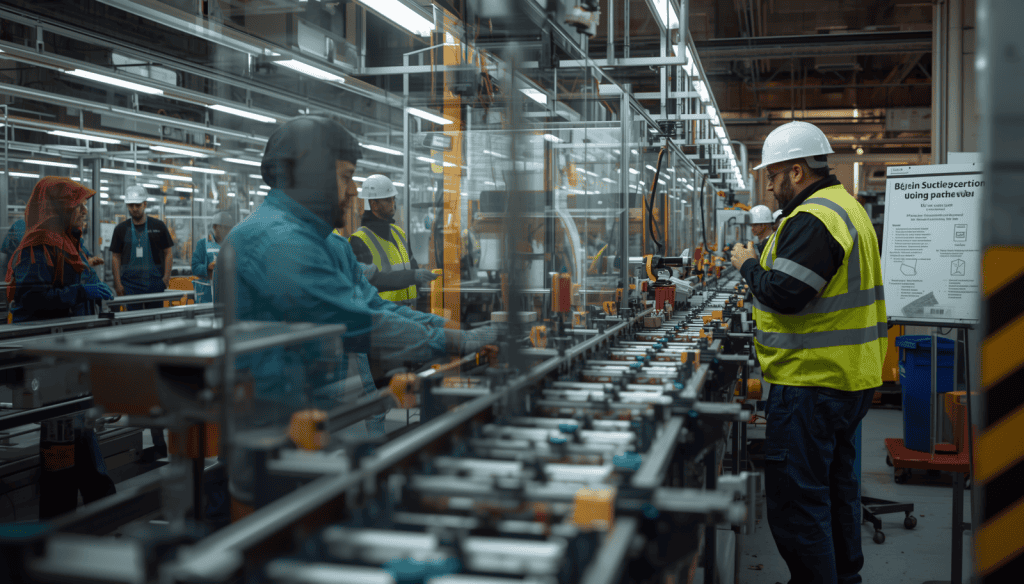
Process governs how knowledge flows through the manufacturing company — how it is identified, captured, reviewed, updated, and retired when it is no longer current. Without defined processes, knowledge management becomes ad hoc and inconsistent. Documentation gets created when someone has time rather than when knowledge is at risk. Updates happen reactively rather than on a schedule. Process is what makes knowledge management sustainable rather than episodic.

Strategy provides direction. A KM effort without a clear, documented strategy tends to address everything and accomplish nothing. Strategy identifies the most important and urgent knowledge needs and focuses effort there first. It answers the question every manufacturing leader eventually asks: given everything that could be done, where do we start?
These four components — people, content and technology, process, and strategy — do not need to be perfected before work begins. They need to be considered together, because a gap in any one of them will limit what the others can achieve.
What Knowledge Management Is Not
It is worth being clear about a few common misconceptions.
Knowledge management is not a software implementation.
- Technology can support it, but the technology serves the people and the process, not the other way around. Manufacturing companies that treat KM as a platform purchase typically find that the platform goes underused because the underlying knowledge practices were never established.
It is not a documentation project.
- Documentation is part of knowledge management, but capturing documents is not the same as managing knowledge. Documentation that does not reflect current practice, lacks clear ownership, or cannot be found when it is needed provides little operational value.
Knowledge management is not something that happens naturally as a manufacturing company grows.
- Left unmanaged, knowledge concentrates, becomes inconsistent, and eventually disappears. Knowledge management is the intentional alternative to that outcome.
The Foundation of Operational Reliability
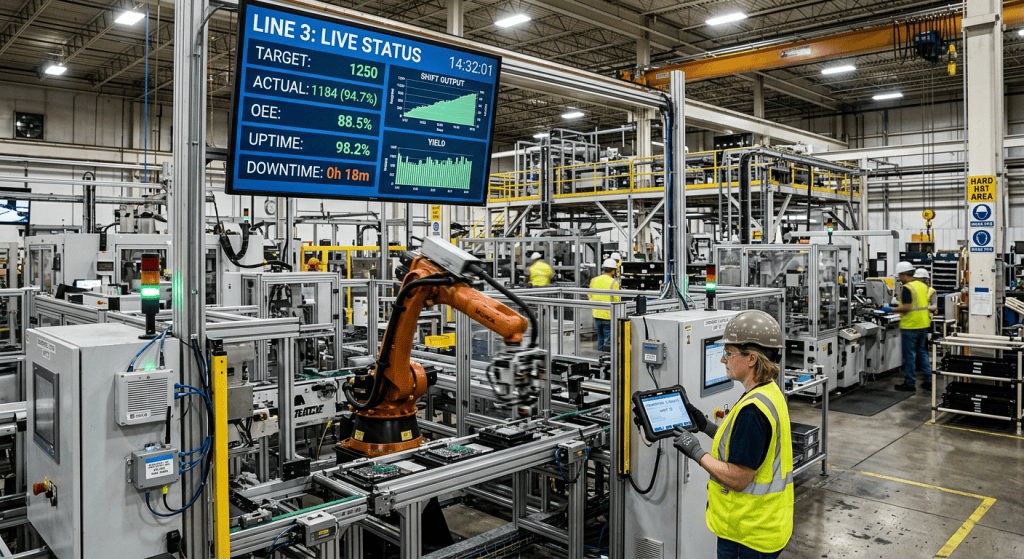
Manufacturers who manage their knowledge well operate from a stronger position than those who do not. Their processes run more consistently. Their people reach competence faster. Their critical knowledge survives the workforce changes that every manufacturing company eventually faces.
That strength does not come from any single initiative or tool. It comes from building an environment where the right knowledge is available to the right people, in a form they can use, at the moment they need it. That is what knowledge management makes possible.